You see your map, not the world.
Think about the last time you learned a new word. Or maybe you saw a new car on the road. Then something odd happened. Over the next week you heard that word three or four times, or you see that strange new car everywhere on the road. The word didn’t suddenly get popular. It had been there all along. What changed was you. You had a new mark on your map, and now your eyes could find it. It was like your Fog of War had lifted.
That is how it works for everything, not just words or random cars.
Your brain does not show you the world. It couldn’t if it tried — there’s just far too much information coming in through your eyes and ears every second for anyone to look at all of it. So your brain does something clever. It makes a guess about what’s out there, shows you the guess, and then fixes the guess whenever the world hits you on the nose. Stories about American GIs in Vietnam entering a village, swearing it was full of enemy Viet Cong, and spraying round after round into the huts, only to blink again and notice they were villagers. Your brain fills it in. It fills in most things. Especially during times of danger or panic or uncertainty
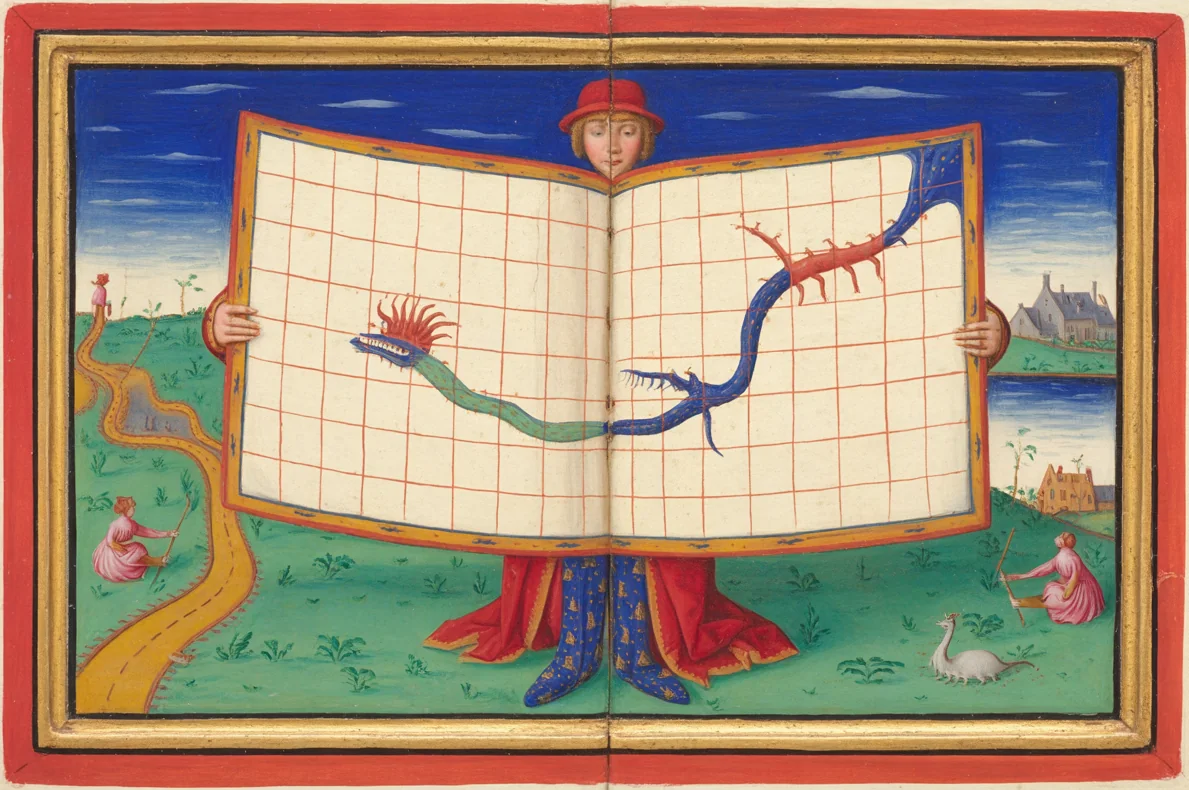
You’ve been drawing your map before you could even talk. The map has roads on it that say “this is safe” and “this is dangerous,” “people like me” and “that’s gross,” “I’m good at this” and “I can’t.” You didn’t draw most of it on purpose. The part of you that operates without you drew it, from what happened to you and from what the people around you believed. I call that part Autopilot. It runs your breathing, your habits, and your mental map.
Your mental map decides what you notice. What you notice decides what you do. What you do decides what happens next. So the map doesn’t just describe your world. It builds it, a little, every day.
Three things follow from this.
First, when two people argue about what happened, they are often both telling the truth about their maps. The same dinner was warm to one person and tense to another and neither would be lying. Remembering this will save you a lot of fights, and a few friendships.
Second, your map can make things come true. Walk into a room believing people are against you, and you will act guarded. People will feel that and go cold. Now your map has become even further defined. The same thing works the other way, and it works on your body too. People given a sugar pill and told it’s a painkiller often feel less pain, and their bodies really do release the chemicals that ease it. The map told the body what to expect, and the body listened.
Third, maps can be redrawn, but only where they touch the world. You can’t fix a map by staring at it. You have to go look. If your map says “I’m bad with people,” the fix is not more thinking.
Try this today.
At breakfast, pick a color. Red, say. Then count every red car you see until dinner. You’ll see more red cars today than you’ve seen in a month. The roads didn’t change, but your map did, because you put a mark on it. Now do the same thing for a week with something you actually want more of.
Put the mark on the map, and watch how many you find.
One line to remember
You’ve been reading a map your whole life. Every so often, look up.